
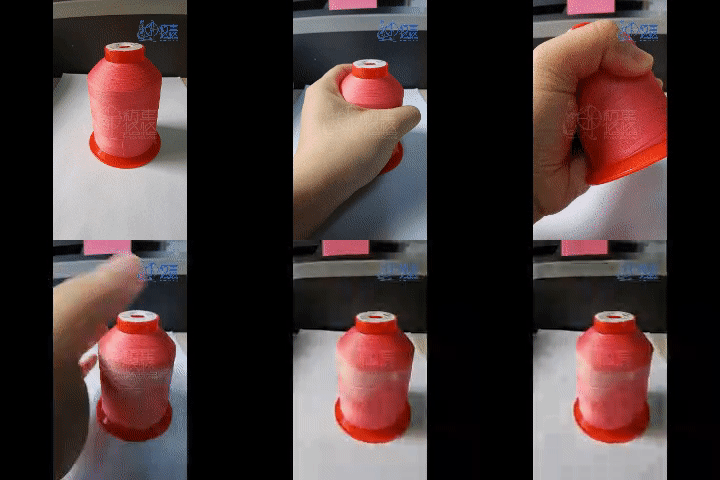

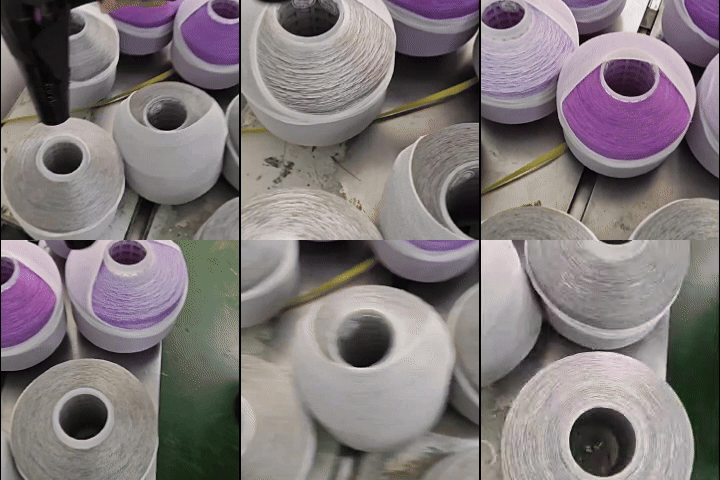

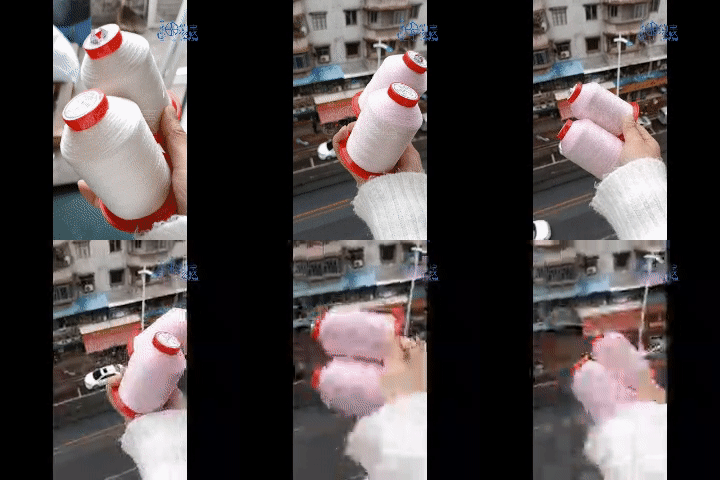

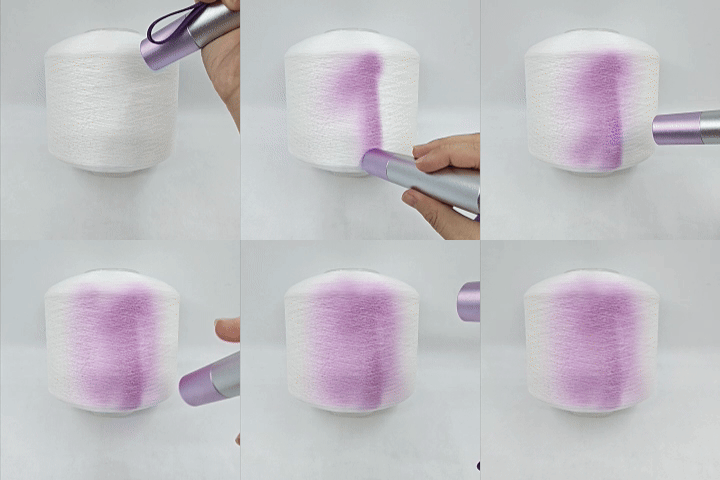

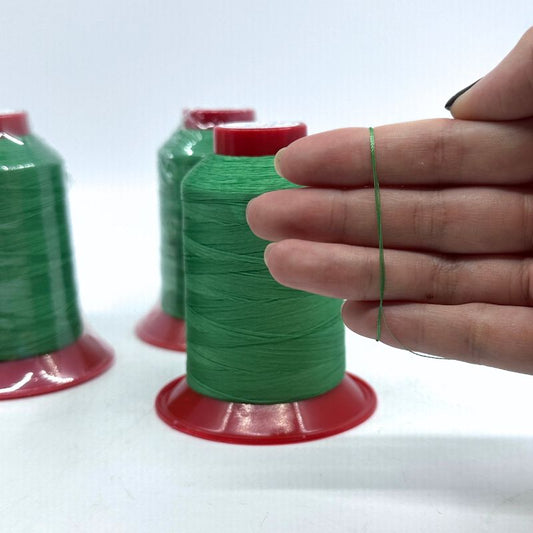

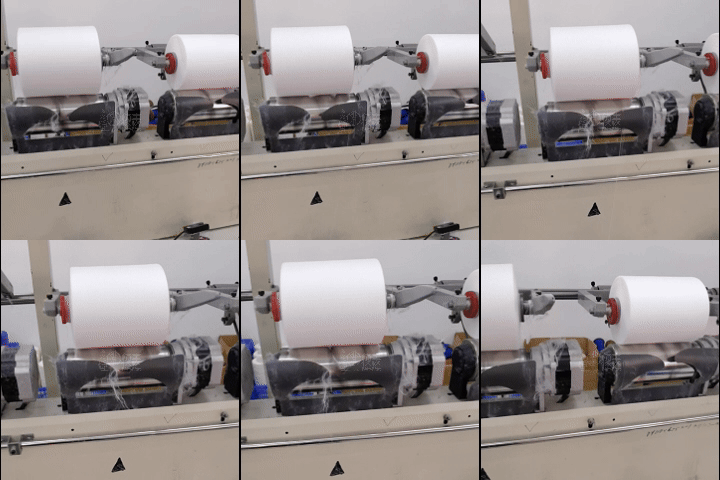



Quick Answer: Velve temperature and UV sensitive yarns. Thermochromic and photochromic for creative textiles, anti-counterfeiting, fashion.
Thermochromic and photochromic yarn: key facts
- Thermochromic yarn changes color in response to temperature; photochromic yarn changes color under UV or sunlight and typically reverts indoors.
- Both are reversible visual effects; the activation threshold, color range and speed depend on the pigment system.
- Applications include fashion, interactive textiles, anti-counterfeiting features, craft kits and decorative accessories.
What to verify before sourcing
- Ask for the activation temperature (thermochromic) or UV conditions (photochromic), the color-change range and reversibility data.
- Test wash, light exposure and abrasion durability on the finished fabric or garment.
- Confirm pigment safety and regulatory documentation for the target market, especially children’s products.
Related pages
Thermochromic thread guide · Photochromic yarn guide · Thermochromic embroidery thread · Photochromic yarn
Frequently Asked Questions
What is the difference between thermochromic and photochromic yarn?
Thermochromic yarn changes color with temperature; photochromic yarn changes color under UV or sunlight. Both effects are reversible and are used for different trigger conditions.
What activation temperatures are available?
Common thermochromic activation temperatures are 30°C, 40°C, and 50°C; the right threshold depends on body heat, ambient temperature, or the indicator application.
What applications use sensitive color-changing yarn?
Creative and interactive textiles, anti-counterfeiting labels, fashion and apparel, temperature or UV indicators, packaging, and smart textile prototypes.
What forms and customization are available?
Sewing thread, embroidery thread, and knitting yarn forms; color pairs, base fiber, yarn count, and packaging can be customized. Confirm exact specifications with Velve.