
-
IRR Infrared Blocking Webbing
Regular price $0.49Regular priceUnit price per -
IRR Anti Infrared Yarn for Infrared Shielding Consistent
Regular price $26.55Regular priceUnit price per -
IRR Infrared Blocking Polyester/Nylon Anti Infrared Thread
Regular price $2.65Regular priceUnit price per

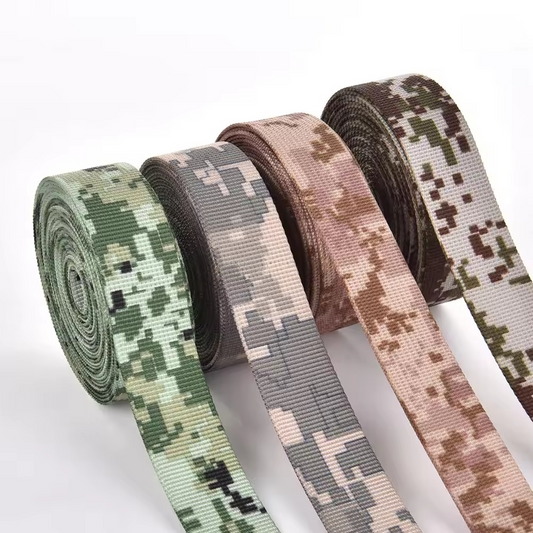

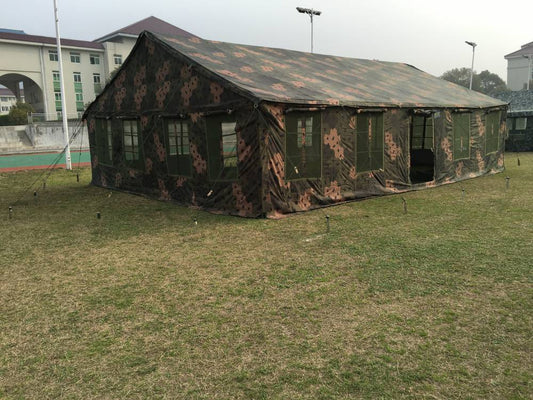

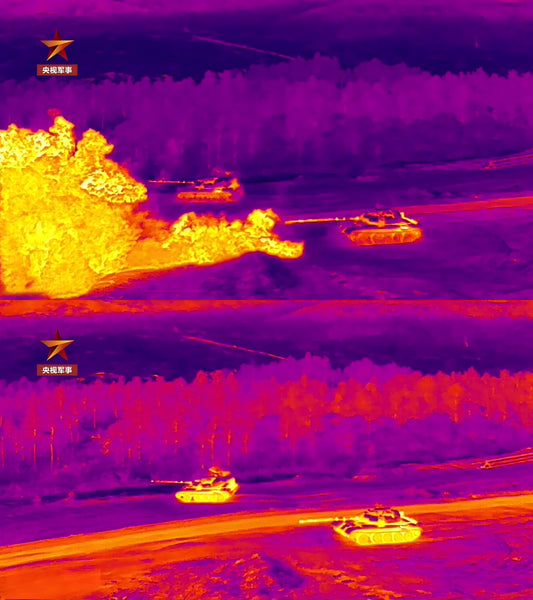
Quick Answer: IRR (anti-infrared) yarn reduces infrared reflectance, especially in the 8–14 micron thermal band, for tactical, camouflage and security textiles. It is typically made with high-strength polyester or nylon plus IR-shielding additives. Request reflectance data for the IR band used by your sensor and test the finished fabric; performance is product- and batch-specific.
Our IRR-Anti Infrared series is a high-performance thread that effectively blocks infrared radiation. Made of premium polyester/nylon, it adopts advanced infrared-shielding tech to resist heat and avoid infrared detection. Smooth and durable, it ensures stable high-speed sewing, fits various fabrics, and has good colorfastness, ideal for functional and security textile projects.
IRR anti-infrared yarn: key facts
- IRR yarn reduces infrared reflectance, especially in the 8–14 micron thermal band, for tactical, camouflage and security textiles.
- It is typically made with high-strength polyester or nylon plus IR-shielding additives.
- Performance is product- and fabric-specific; a single “blocking” percentage is not enough to specify it.
What to verify before sourcing
- Request reflectance data for the IR band used by your sensor and environment.
- Test the finished fabric, color and construction, and ask for the test method and batch data.
- Confirm durability, colorfastness and sewing performance before bulk production.
Technical guide
Frequently Asked Questions
What is IRR yarn?
IRR yarn is a functional yarn that reduces infrared reflectance, particularly in the 8–14 micron thermal band, to help tactical, camouflage and security textiles avoid infrared detection.
What is IRR yarn used for?
It is used in tactical uniforms, camouflage gear, security textiles and other IR-sensitive fabrics. The required performance depends on the sensor band and the finished fabric construction.
How is IRR performance verified?
Request reflectance data across the relevant IR band, the test method and batch information. Test the finished fabric, color and construction rather than relying on a single “blocking” percentage for the raw yarn.
Does IRR yarn block all infrared?
No single yarn blocks all infrared. Performance depends on the wavelength band, fiber construction, color and finished fabric; verify the data for your specific sensor and environment.