Glass Fiber in Fireproof Textiles: Smart Choice or Hidden Risk?
GokitaWhy Glass Fiber Became Popular in Fireproof Textiles
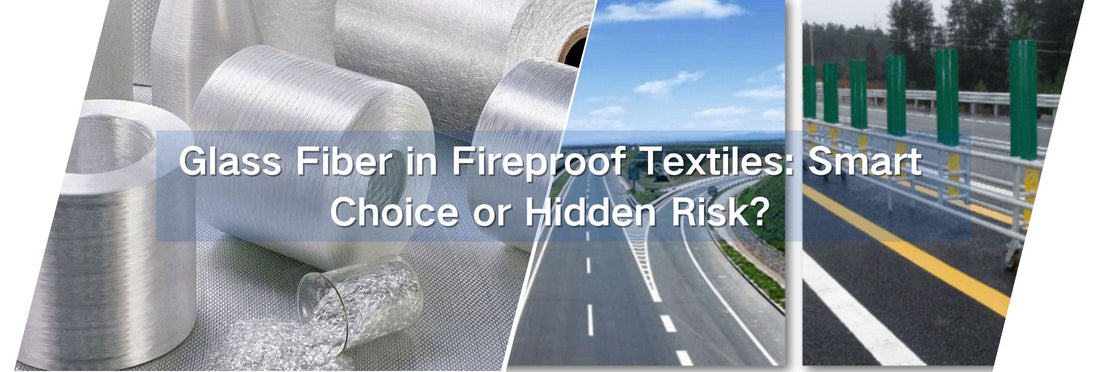
Glass fiber is created by melting raw materials such as quartz sand at high temperatures, then stretching the molten glass into extremely fine fibers. These fibers can be woven into fabrics or twisted into yarn. Thanks to its non-combustible nature, glass fiber became widely used in construction, aerospace, automotive, and protective equipment.
 Some of its benefits include:
-
Excellent flame resistance – It does not burn and can self-extinguish.
-
High strength-to-weight ratio – Comparable to steel in tensile strength.
-
Durability – Resistant to weathering, chemicals, and corrosion.
-
Affordability – Much cheaper than advanced materials like carbon fiber.
These properties make glass fiber attractive in industrial applications such as insulation, boat hulls, automotive parts, and fireproof panels. However, when it comes to protective clothing or sewing threads, the story is more complicated.
The Hidden Risks of Glass Fiber in Fireproof Clothing
Despite its impressive performance in certain industries, glass fiber faces serious limitations when used in fireproof textiles or sewing threads:
-
Brittleness and breakage
-
Although strong in bulk, single glass fibers are extremely fragile. They can break easily under bending or repeated stress, which reduces fabric reliability.
-
-
Skin irritation
-
Glass fibers are thin and sharp, and when they come into contact with skin, they cause itching and irritation. For workers wearing protective clothing, this makes glass fiber uncomfortable and even unsafe.

-
-
Lack of dyeability
-
Glass fiber cannot be dyed in a variety of colors. This limits its use in industries where customization, visibility, or aesthetics are important, such as uniforms, firefighting gear, and branded workwear.
-
-
Processing challenges
-
Sewing with glass fiber thread is difficult because of its brittleness. Workers often avoid handling it directly, and manufacturers must apply coatings or resins to make it usable.
-
Safer Alternatives: Aramid, Cotton, and Polyester
At Dongguan Velve Thread Manufactury, we understand the risks of relying solely on glass fiber for fireproof applications. That is why we focus on functional sewing threads that combine flame resistance with comfort and versatility.
-
-
Naturally flame-resistant, withstanding temperatures up to 370°C.
-
Strong and durable, yet flexible enough for apparel.
-
Available in custom colors, unlike glass fiber.

-
-
-
Combines natural softness with protective properties.
-
Ideal for garments where comfort against the skin is essential.
-
-
Flame-retardant polyester thread
-
Cost-effective and versatile.
-
Performs well in environments where both strength and flame resistance are required.

-
These materials are widely used in firefighting suits, safety uniforms, industrial workwear, and outdoor gear, offering a balance of protection, comfort, and design flexibility.
Making the Smart Choice
So, is glass fiber a smart choice or a hidden risk? The answer depends on the application. For construction panels, insulation, and industrial reinforcement, glass fiber remains an indispensable material. But for fireproof clothing, sewing threads, and protective wear, its drawbacks often outweigh its benefits.
At Dongguan Velve Thread Manufactury, we recommend choosing aramid, flame-retardant cotton, or polyester sewing threads for textiles that come into direct contact with people. These solutions provide not only fire resistance but also comfort, durability, and customization—key qualities for modern protective textiles.