Revolutionize the Textile Industry with Graphene Conductive Yarn
Gokita
Share
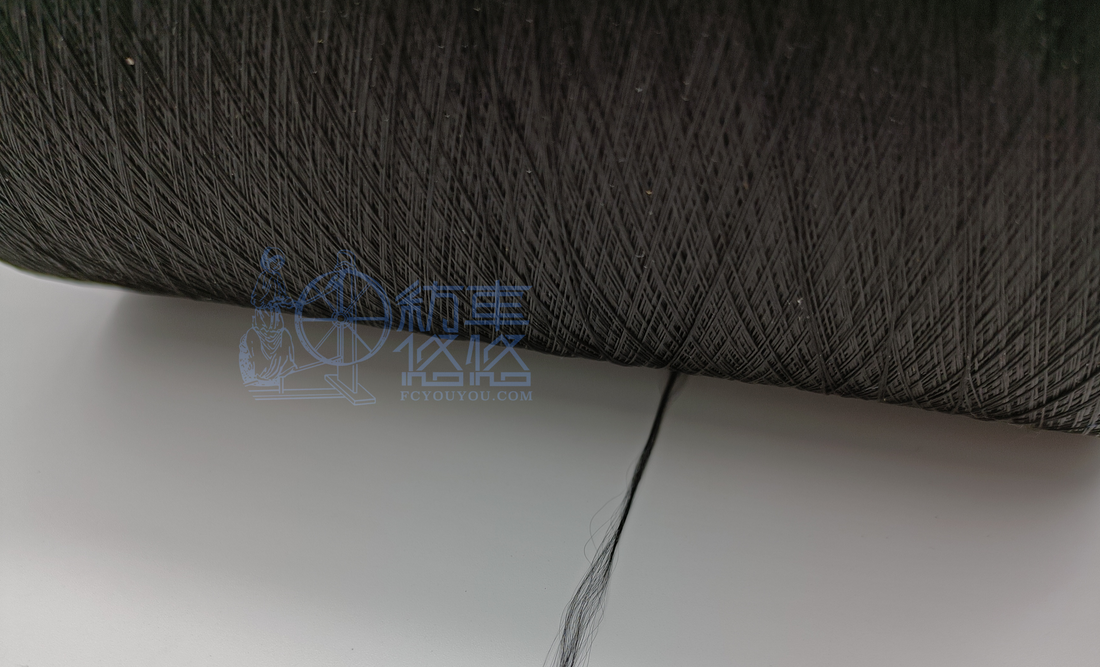
Explore the future of textiles with our groundbreaking product – Graphene Conductive Yarn. Redefine possibilities in the textile industry and elevate your creations with this cutting-edge yarn. Here are four key selling points that make Graphene Conductive Yarn a game-changer:
## **1. Unprecedented Conductivity for ESD Products** Enhance your ESD (Electrostatic Discharge) products with the unmatched conductivity of Graphene Conductive Yarn. Prevent static build-up in sensitive environments, ensuring the reliability and safety of electronic components. This yarn is a game-changer for industries requiring ESD protection. ## **2. Superior Strength and Durability** Crafted with precision, Graphene Conductive Yarn combines the strength of graphene with the durability of high-quality yarn. Your textile creations will withstand the test of time, making this yarn ideal for applications where both conductivity and longevity are crucial.
## **3. Versatility for Innovative Textile Designs** Graphene Conductive Yarn opens doors to a myriad of applications in the textile industry. From smart fabrics to wearables, this versatile yarn allows for intricate designs and functional textiles. Incorporate conductivity seamlessly into your products, creating textiles that merge technology with comfort.
## **Applications in Various Industries:** - **Electronic Textiles (E-textiles):** Integrate conductivity into textiles for wearable electronics and smart clothing. - **Industrial ESD Products:** Ensure the protection of sensitive electronic components with ESD-resistant textiles. - **Healthcare Apparel:** Design textiles for healthcare settings with conductivity for monitoring and sensing applications.
Embark on a journey of innovation and excellence with Graphene Conductive Yarn. Redefine the standards of conductivity, strength, and sustainability in the textile industry.
Quick Answer: Graphene conductive yarn combines graphene with a base yarn to deliver high electrical conductivity, strength and durability. It is used in ESD protection, smart textiles and products that need reliable charge dissipation without sacrificing flexibility. Velve offers graphene conductive yarn for custom textile development.
Frequently Asked Questions
What role does graphene conductive yarn play in ESD products?
Graphene conductive yarn is used in ESD products to prevent static build-up in sensitive environments. Its conductivity helps protect electronic components from electrostatic discharge, supporting the reliability and safety of the finished product. It is intended for industries where ESD protection is a requirement, and it can be incorporated into textiles rather than added as a separate conductive component.
How does graphene conductive yarn combine conductivity with strength and durability?
Graphene conductive yarn is designed to combine the strength of graphene with the durability of high-quality yarn. It is positioned for applications where both conductivity and longevity are crucial, so the yarn can support a conductive function within a durable textile. Buyers evaluating it should confirm how strength and conductivity are measured for the specific construction.
Which industries can use graphene conductive yarn?
The yarn is positioned for electronic textiles and wearable electronics, industrial ESD products and healthcare apparel. In e-textiles it can integrate conductivity into smart clothing; in industrial settings it supports ESD-resistant textiles that protect sensitive components; and in healthcare apparel it enables conductivity for monitoring and sensing applications. These uses share a need for a textile that conducts while remaining wearable and designable.
What design flexibility does graphene conductive yarn offer?
Graphene conductive yarn is versatile enough for applications ranging from smart fabrics to wearables. It supports intricate designs and functional textiles, allowing conductivity to be incorporated without changing the basic character of the fabric. For designers, that means the conductive element can be treated as part of the textile design rather than a separate hard component.