メタアラミドがいかに危険からあなたを守るか
GokitaQuick Answer: Meta-aramid fibers are high-performance synthetic fibers known for heat resistance and inherent flame retardancy; they do not melt or drip at high temperatures. In sewing threads they are used for flame-resistant clothing, protective gear and industrial textiles where heat exposure is a risk. Velve supplies meta-aramid sewing threads for these high-temperature applications.
Frequently Asked Questions
How does meta aramid fiber behave when exposed to high heat?
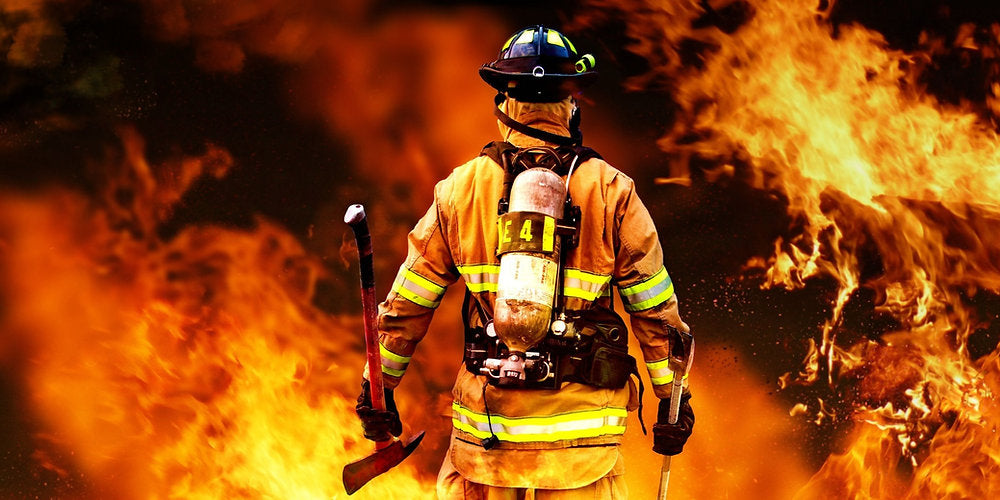
Meta aramid fibers are thermally stable and do not melt or drip even at high temperatures. Instead, the fiber maintains its structure, which is why meta aramid is used in flame-resistant clothing and industrial protective gear. This behavior matters in garments such as firefighter suits that must endure direct contact with flames without the material melting against the wearer.
What properties besides heat resistance make meta aramid suitable for protective clothing?
Meta aramid fibers are strong and offer excellent abrasion resistance, so they maintain integrity under extreme conditions and frequent wear. They also exhibit chemical stability and resist most acids and alkalis, which suits chemical plants and other hazardous environments. In addition, the fibers provide energy absorption, which can help reduce the risk of injury from impacts and collisions.
Where are meta aramid sewing threads used beyond firefighter suits?
Meta aramid sewing threads are used in industrial protective clothing for chemical plants and other hazardous environments, where garments must resist chemical exposure and extreme temperatures. They also appear in aerospace applications, including aircraft and spacecraft protective components that must withstand extreme temperatures and pressures. Military supplies are another outlet, reflecting the fiber's combination of heat resistance, strength and abrasion resistance.
What should brand designers and procurement teams consider when selecting meta aramid thread?
Meta aramid is specified for heat resistance, high strength, abrasion resistance and chemical stability, so the thread should be matched to the garment's actual heat exposure, mechanical stress and chemical environment. Designers and procurement teams should confirm that the selected thread meets those conditions and evaluate it in the seam construction before committing to production.