Quick Answer: Glass fiber is non-combustible, strong and cost-effective, which is why it is widely used in insulation, construction and fireproof panels. For protective clothing, however, it can cause skin irritation and fiber breakage, so comfort and encapsulation matter. Aramid, cotton and polyester alternatives are often considered for wearable flame-resistant textiles.
Frequently Asked Questions
Why is glass fiber widely used in fireproof textiles?
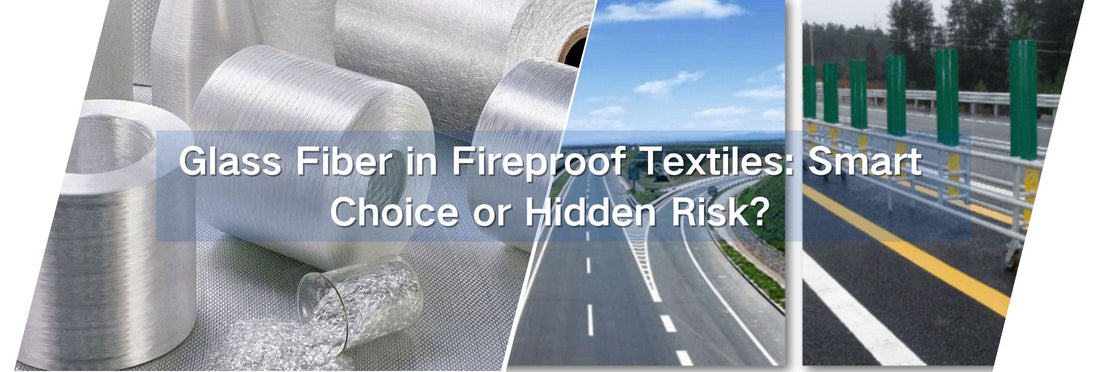
Glass fiber is made by melting raw materials such as quartz sand at high temperature and drawing the molten glass into fine fibers. It does not burn and can self-extinguish, offers a high strength-to-weight ratio, and resists weathering, chemicals and corrosion. It is also more affordable than advanced materials such as carbon fiber, which makes it attractive for insulation, boat hulls, automotive parts and fireproof panels.
How does glass fiber's dyeability limit its use in uniforms and branded workwear?
Glass fiber cannot be dyed in a variety of colors, which restricts design flexibility where customization, visibility or aesthetics matter. That limitation is a particular problem for uniforms, firefighting gear and branded workwear, where color matching and brand presentation are usually part of the specification. For those end uses, buyers typically need a fiber that accepts color while still meeting the required flame-resistant performance.
Which materials are alternatives to glass fiber in fireproof clothing and sewing thread?
Aramid thread is naturally flame-resistant, strong and flexible enough for apparel, and it can be produced in custom colors. Flame-retardant cotton thread combines natural softness with protective properties, making it suitable where comfort against the skin matters. Flame-retardant polyester thread is cost-effective and versatile where both strength and flame resistance are required. These options are used in firefighting suits, safety uniforms, industrial workwear and outdoor gear.
When does glass fiber remain the right choice for a fireproof application?
Glass fiber remains a sensible material for construction panels, insulation, industrial reinforcement and other applications where it is not in direct contact with people. Its non-combustible behavior, strength-to-weight ratio and chemical resistance suit those uses. For fireproof clothing and sewing threads, however, the brittleness, skin irritation and processing difficulties usually outweigh the benefits, so the application should drive the material decision.

 その利点の一部を以下に示します。


