赤外線防止、紫外線防止、偽造防止ヤーン:今日、なぜそれらが重要なのか
Gokita赤外線とは何か、なぜそれが重要なのか?
赤外線(IR)放射は、可視の赤色光とマイクロ波の間に位置する、0.76ミクロンから1ミリメートルの波長を持つ目に見えない電磁波の一種です。絶対零度(-273.15℃)以上のすべての物体は、人間、炎、電子機器など、赤外線を放出します。
遠赤外線(FIR)は赤外線の一種で、より長い波長(4ミクロンから1ミリメートル)を持ちます。これは生体組織に深く浸透し、体を温める効果があるため、医療用によく使われます。赤外線と遠赤外線は本質的に同じ種類の放射線ですが、その吸収と浸透の特性は異なります。
抗赤外線糸とは?
抗赤外線糸(赤外線遮断糸とも呼ばれる)は、物体の熱シグネチャを低減または隠すように設計されています。この技術は軍用繊維、軍服、装備に広く使われており、熱放射を隠すことで兵士、車両、機械が赤外線画像装置に検出されるのを防ぎます。
赤外線遮断糸の試験方法には、赤外線分光分析、反射率試験、シミュレーション熱画像などがあります。防衛産業では、米国のMIL-STDや中国のGJBのような厳格な基準があり、繊維が隠蔽要件を満たしていることを保証します。軍事用途以外にも、抗赤外線アプリケーションはセキュリティ、監視、特殊作業服にまで及びます。
紫外線と抗UV糸とは?
紫外線(UV)放射は、波長10〜400ナノメートルの太陽光の一部です。これには以下の3つの種類があります。
-
UVC(10〜280 nm):非常に危険ですが、ほとんどが地球の大気によって吸収されます。
-
UVB(280〜320 nm):日焼け、皮膚の老化、布地の損傷を引き起こします。
-
UVA(320〜400 nm):より深く浸透し、長期的な皮膚の損傷や繊維の色あせの一因となります。

抗UV糸は、UV耐性糸とも呼ばれ、有害な紫外線を遮断するように設計されています。メーカーは、紫外線保護を強化するために、二酸化チタンや酸化亜鉛などのミネラルを加えたり、特殊な化学処理を施したりします。
用途は以下の通りです。
-
アウトドア衣料:日焼け防止ジャケット、ビーチウェア、スポーツウェア。
-
家庭用繊維:色あせに強いカーテン、日傘、室内装飾品。
-
農業用繊維:温室カバー、作物保護布。
UPF(紫外線保護指数)評価が性能を示します。例えば、UPF 50+の生地は98%以上の紫外線を遮断し、日焼け防止に非常に効果的です。
偽造防止糸:繊維にセキュリティを追加する
偽造が横行する現代において、偽造防止糸は、高級ファッションからパッケージングまで、様々な産業で不可欠になりつつあります。
-
赤外線偽造防止糸には、赤外線の下で反応し、隠されたパターンや色を明らかにする特殊な顔料や粒子が含まれています。
-
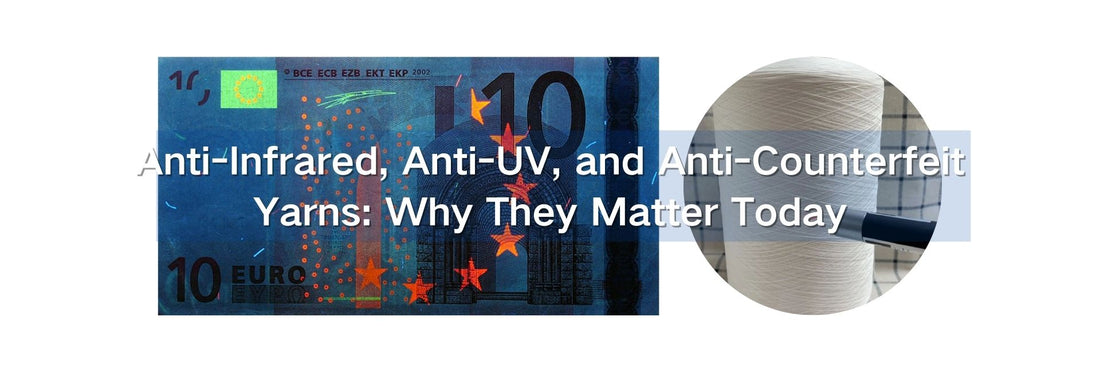
紫外線偽造防止糸には、UVランプの下で光る蛍光物質が埋め込まれており、ラベル、証明書、ブランドアパレル、さらには通貨にも役立ちます。
これらの糸は肉眼では普通に見えますが、特定の装置でしか検出できない目に見えないセキュリティ層を提供します。
なぜこれらの機能性糸が今日重要なのか?
抗赤外線糸、UV耐性糸、偽造防止繊維の必要性は、以下の理由により、これまで以上に高まっています。
-
軍事紛争において、隠蔽と保護が命を救います。
-
ブランド価値と製品の真正性を脅かす偽造品の増加。
-
気候変動に伴い紫外線放射が増加する中での健康と安全の懸念。
-
繊維が屋外での露出に耐える必要がある耐久性の要求。
Dongguan Velve Thread Manufacturyは、これらの課題に対応する機能性糸の開発を専門としています。高度な素材をすべての繊維に統合することで、防衛産業からファッション業界まで、安全性、性能、革新性において優位に立つお手伝いをしています。
結論
抗赤外線糸、UV耐性糸、偽造防止糸は、単なる技術的な改良以上のものです。これらは現代の課題に対する不可欠な繊維ソリューションです。戦場の兵士を保護し、有害な太陽光から皮膚を守り、製品を詐欺から守るなど、これらの糸は日常生活やグローバル産業における機能性繊維の強力な役割を示しています。
Dongguan Velve Thread Manufacturyでは、すべての糸が重要であると信じています。だからこそ、私たちは単に布を織るだけでなく、繊維の未来に保護、セキュリティ、信頼を織り込む糸を革新し続けています。