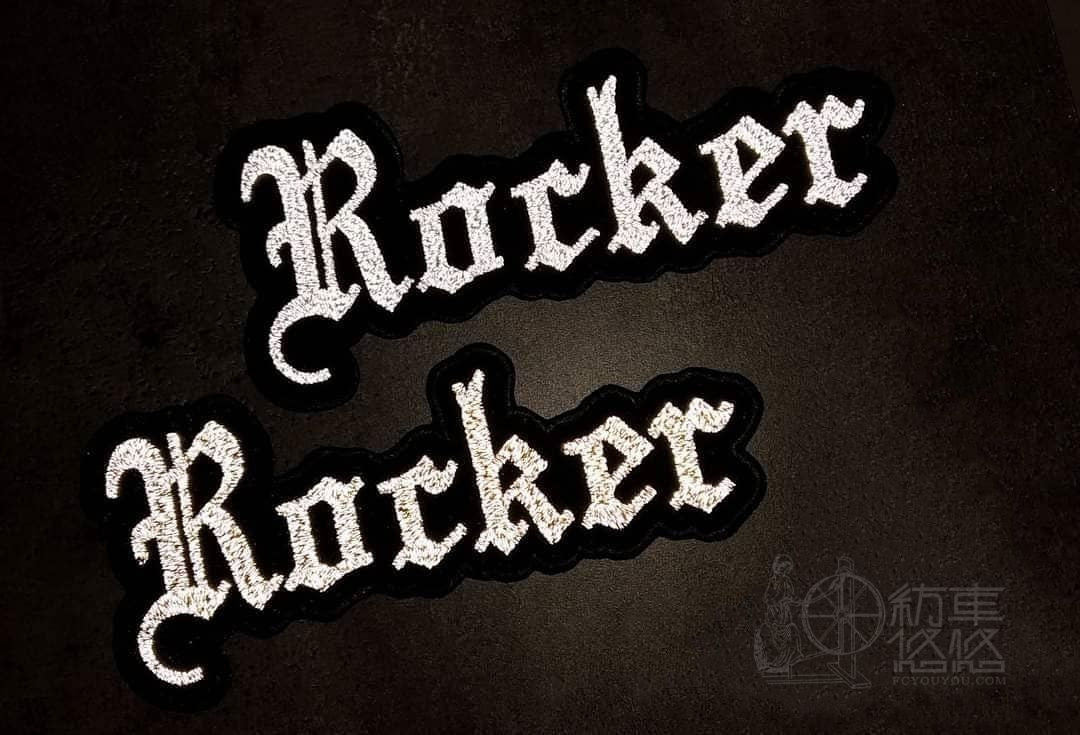
Presentamos el Hilo de Bordar Reflectante : la opción definitiva para añadir brillo y visibilidad a sus proyectos de bordado. Aquí tiene cuatro razones convincentes por las que el Hilo de Bordar Reflectante es revolucionario: 1. Visibilidad mejorada Ilumine sus diseños con hilo de bordar reflectante , garantizando máxima visibilidad incluso en condiciones de poca luz. Ya sea que cree logotipos, parches o patrones intrincados, este hilo mejora la visibilidad, haciendo que sus creaciones destaquen de día o de noche.
2. Mejora de la seguridad Promueva la seguridad y la visibilidad incorporando hilo de bordar reflectante en prendas, accesorios o ropa de trabajo. Sus propiedades reflectantes garantizan que sus diseños bordados brillen con intensidad, mejorando la visibilidad y la seguridad del usuario en diversos entornos.
3. Aplicaciones versátiles Desde ropa deportiva y equipo de seguridad hasta accesorios de moda y artículos promocionales, el hilo de bordar reflectante ofrece aplicaciones versátiles. Mejore la funcionalidad y el estilo de sus productos, a la vez que proporciona mayor seguridad y visibilidad a los usuarios.
4. Diseños innovadores Descubra infinitas posibilidades creativas con el hilo de bordar reflectante. Experimente con diseños, detalles y efectos únicos para crear bordados llamativos que capten la atención. Impresione a sus clientes y destinatarios con diseños innovadores que dejan una huella imborrable.
Experimente la brillantez del hilo de bordar reflectante y eleve sus proyectos de bordado a nuevas alturas. Ya sea por seguridad, visibilidad o estética, este hilo ofrece resultados excepcionales que superan todas las expectativas.
Quick Answer: Reflective embroidery thread is a functional thread that reflects light back toward the viewer, making embroidered logos, patches and designs highly visible in low-light conditions. It is used on workwear, sportswear, safety gear and fashion accessories where both visibility and decoration matter. It can be used on apparel, accessories and promotional items.
Frequently Asked Questions
How does reflective embroidery thread create visibility?
The thread is made with retroreflective glass beads that return light toward its source. When a headlight or flashlight hits the embroidery, the light comes back to the viewer, so logos and trims become visible. The effect depends on an external light source and on the angle between the light and the viewer.
Does reflective embroidery thread glow in complete darkness?
No. Reflective embroidery thread needs an external light source such as a headlight or flashlight; it does not produce its own light and does not glow in complete darkness. It is a visibility feature that performs when light is directed at it. That distinction matters when comparing it with phosphorescent or glow-in-the-dark thread.
What reflectivity data should buyers request for embroidered logos?
Ask for reflectivity data measured on the finished embroidery, not only on the raw thread. The test method and the viewing geometry should be stated, because reflectivity changes with stitch density, backing, and the angle between the light source and the viewer. Finished-garment data gives a more useful picture than a generic thread claim.
What machine and finishing factors affect reflective embroidery results?
Check thread compatibility with the embroidery machine, the backing, and the stitch density, then review wash and abrasion durability. Dense stitching and a suitable backing help the reflective beads sit consistently on the surface. The finished embroidery is a visibility feature, not a replacement for high-visibility protective equipment that meets the relevant safety standard.