Anti-Infrared, Anti-UV, and Anti-Counterfeit Yarns: Why They Matter Today
GokitaWhat Is Infrared and Why Does It Matter?
Infrared (IR) radiation is an invisible form of electromagnetic wave, positioned between visible red light and microwaves, with wavelengths ranging from 0.76 microns to 1 millimeter. Every object above absolute zero (-273.15°C) emits infrared radiation—this includes humans, flames, and electronic devices.
Far-infrared (FIR) is a subset of infrared, with longer wavelengths (4 microns to 1 mm). It penetrates deeper into biological tissues and generates a warming effect, which is why it’s often used in medical therapy. While infrared and far-infrared are essentially the same type of radiation, their absorption and penetration characteristics differ.
What Is Anti-Infrared Yarn?
Anti-infrared yarn—sometimes called infrared-blocking yarn—is designed to reduce or mask the heat signature of an object. This technology is widely used in military textiles, uniforms, and equipment, where concealing thermal radiation helps soldiers, vehicles, and machinery avoid detection by infrared imaging devices.
Testing methods for infrared-resistant yarns include infrared spectrometry, reflectivity tests, and simulated thermal imaging. In defense industries, strict standards such as MIL-STD in the U.S. or GJB in China ensure that textiles meet concealment requirements. Beyond military use, anti-infrared applications extend to security, surveillance, and special-purpose workwear.
What Is Ultraviolet Radiation and Anti-UV Yarn?
Ultraviolet (UV) radiation is part of sunlight with wavelengths from 10–400 nanometers. It is divided into three types:
-
UVC (10–280 nm): Highly dangerous but mostly absorbed by Earth’s atmosphere.
-
UVB (280–320 nm): Causes sunburn, skin aging, and damage to fabrics.
-
UVA (320–400 nm): Penetrates deeper, contributing to long-term skin damage and fading in textiles.

Anti-UV yarn, also called UV-resistant yarn, is engineered to block harmful ultraviolet rays. Manufacturers add minerals such as titanium dioxide or zinc oxide, or apply special chemical treatments, to enhance UV protection.
Applications include:
-
Outdoor clothing: Sun-protective jackets, beachwear, sportswear.
-
Home textiles: Curtains, parasols, and upholstery that resist fading.
-
Agricultural textiles: Greenhouse covers and crop protection fabrics.
The UPF (Ultraviolet Protection Factor) rating indicates performance. For example, a fabric with UPF 50+ blocks more than 98% of UV rays, making it highly effective for sun protection.
Anti-Counterfeit Yarns: Adding Security to Textiles
In a world where counterfeiting is on the rise, anti-counterfeit yarns are becoming essential in industries from luxury fashion to packaging.
-
Infrared anti-counterfeit yarns contain special pigments or particles that react under infrared light, revealing hidden patterns or colors.
-
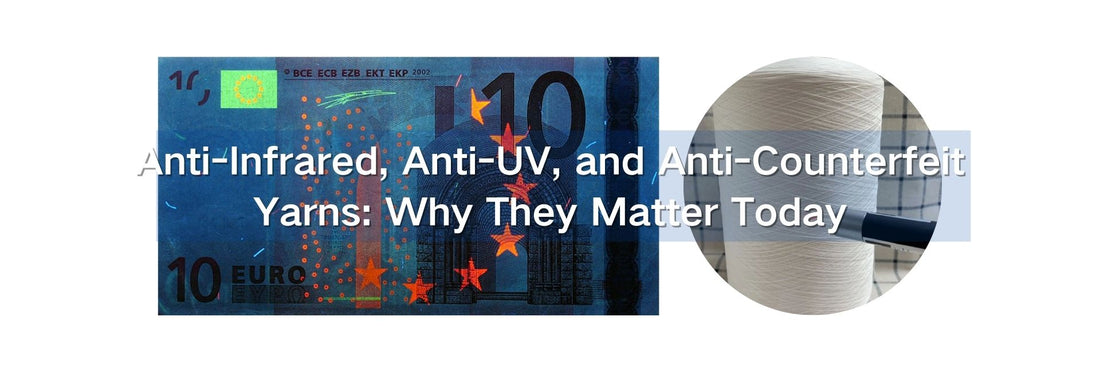
Ultraviolet anti-counterfeit yarns are embedded with fluorescent substances that glow under UV lamps, making them useful for labels, certificates, branded apparel, and even currency.
These yarns look ordinary to the naked eye but provide invisible layers of security that are only detectable with specific devices.
Why Are These Functional Yarns Important Today?
The need for anti-infrared yarns, UV-resistant yarns, and anti-counterfeit fibers is stronger than ever due to:
-
Military conflicts, where concealment and protection save lives.
-
Rising counterfeiting, which threatens brand value and product authenticity.
-
Health and safety concerns, as UV radiation increases with climate change.
-
Durability demands, where textiles must withstand outdoor exposure.
Dongguan Velve Thread Manufactury specializes in developing functional yarns that meet these challenges. By integrating advanced materials into every fiber, we help industries—from defense to fashion—stay ahead in safety, performance, and innovation.
Conclusion
Anti-infrared yarns, UV-resistant yarns, and anti-counterfeit yarns are more than technical upgrades—they are essential textile solutions for modern challenges. Whether protecting soldiers on the battlefield, shielding skin from harmful sunlight, or safeguarding products from fraud, these yarns demonstrate the powerful role of functional fibers in everyday life and global industries.
At Dongguan Velve Thread Manufactury, we believe that every strand counts. That’s why we continue to innovate yarns that do more than just weave fabric—they weave protection, security, and trust into the future of textiles.